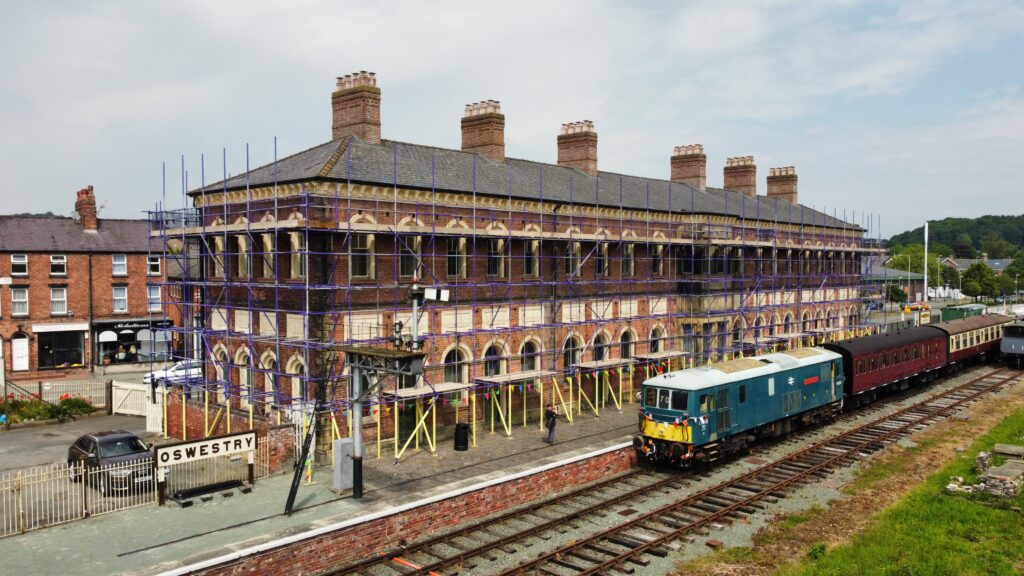
The Oswestry Cambrian Railway Building is greater than simply bricks and mortar. It is a powerful reminder of a time whilst railways were the pulse of towns, shaping economies, cultures, and everyday life. Located inside the ancient marketplace town of Oswestry, the construction performed a significant role in the management of one of the maximum vital railway networks linking England and Wales. Understanding its history is like opening a window into the economic soul of Victorian Britain.
Why did Oswestry end up a railway hub?
Oswestry’s region made it a herbal crossroads. Located close to the Welsh border, it connected rural Wales with industrial England. Before the railways, goods were hauled by way of horse and cart over muddy roads. The arrival of the railways promised velocity, reliability, and possibility. Oswestry transformed from a quiet marketplace town to a bustling shipping hub nearly overnight.
Importance of Oswestry Cambrian Railways
The Cambrian railway network related coastal towns, mining areas, and agricultural regions. It wasn’t just about passengers; it also involved transporting slate, coal, farm animals, and goods. Oswestry became the administrative hub of this operation, and the Cambrian Railways construction turned into one in which choices had been made, timetables were deliberate, and the future was fashioned.
The Birth of Cambrian Railways
Railway Expansion in Victorian Britain
The 19th century became a railway era of unprecedented quality. Tracks spread throughout Britain like veins, pumping financial existence into even the most faraway regions. Investors, engineers, and politicians all believed railways were the future. And without a doubt, they weren’t incorrect.
Formation of the Cambrian Railways Company
The Cambrian Railways Company was formed in the 1860s through the merger of several smaller lines. This consolidation aimed to create a more efficient community across mid-Wales and the border counties. Oswestry was chosen as the headquarters due to its current rail connections and strategic significance.
Early Routes and Strategic Goals
The early aim became easy: connect rural Wales to the most important English markets. Lines stretched toward Aberystwyth, Pwllheli, and beyond. Oswestry became the nerve center in which these routes were coordinated, managed, and expanded.
Oswestry Before the Railway Era
Oswestry as a Market Town
Before the railway, Oswestry thrived on weekly markets and agricultural trade. Farmers delivered farm animals, traders sold goods, and life moved at a slower, extra predictable tempo. The town changed into a prosperous one, but was confined by geography and transport.
Trade, Transport, and Limitations Before Rail
Roads had been unreliable, canals had been restricted, and the climate had shut everything down. The railway modified all that. Suddenly, Oswestry wasn’t simply serving nearby villages; it became linked to the wider global community.
Construction of the Oswestry Cambrian Railway Building
Timeline of Construction
Construction started out in the mid-19th century as the Cambrian Railways extended. The building was designed not just as a workplace, however as an image of authority and permanence. It had to mention, “We’re right here to live.”
Architectural Vision and Design
Victorian architects cherished grandeur, even in business homes. The Oswestry Cambrian Railway Building blended practicality with delight. Every window, arch, and doorway served a cause even as projecting confidence.
Materials and Structural Features
Built primarily from nearby brick and stone, the shape changed into designed to final design. Thick walls, huge home windows for natural light, and sturdy interiors reflected each characteristic and form.
Architectural Style and Design Elements
Victorian Industrial Architecture
This building is a textbook instance of Victorian business architecture. Think strong, symmetrical, and barely imposing. It wasn’t meant to allure; it was meant to impress.
Interior Layout and Functional Spaces
Inside, the building becomes a hive of activity. Offices for administrators, rooms for engineers, and spaces for clerks all labored together like cogs in a machine.
Offices, Waiting Areas, and Signaling Rooms
Specialized rooms handled signaling coordination, scheduling, and conversation. In many ways, this construction functioned like a nineteenth-century records center.
Role of the Building in Railway Operations
Administrative Headquarters
This turned into how the Cambrian Railways had been run each day. From hiring a group of workers to managing crises, the Oswestry building was the command center.
Engineering and Maintenance Coordination
Maintenance crews, tune inspections, and locomotive upkeep had all been prepared right here. Without this coordination, the railway simply wouldn’t characteristic.
Economic Impact on Oswestry
Job Creation and Population Growth
Railways meant jobs, and jobs meant people. Oswestry’s populace grew as people moved in, bringing households, skills, and new electricity.
Boost to Local Businesses and Trade
Hotels, shops, and suppliers all benefited. The railway didn’t just bypass via Oswestry; it fueled its financial system.
Social and Cultural Influence
Changing Travel Habits
Travel became faster, cheaper, and more reachable. Day journeys, vacations, and business tours all extended, shrinking distances both physically and mentally.
Oswestry’s Connection to Wales and England
The railway bolstered Oswestry’s role as a border metropolis, blending English and Welsh cultures in everyday existence.
Technological Developments and Upgrades
Signaling and Safety Innovations
As technology stepped forward, the construction adapted. New signaling structures stepped forward safety and efficiency, lowering accidents and delays.
Adaptation to the Steam and Early Diesel Era
From steam locomotives to early diesel engines, the Cambrian Railways evolved, and Oswestry evolved with them.
The Golden Age of Cambrian Railways
Peak Passenger and Freight Traffic
The late 19th and early 20th centuries had been growth times. Trains ran regularly, stations buzzed with life, and the future looked shiny.
Strategic Importance During Wartime
During each World War, the railway performed a crucial role in moving troops, supplies, and equipment, making Oswestry strategically vital.
Decline of the Cambrian Railways
Grouping into the Great Western Railway
In 1922, Cambrian Railways was absorbed into the Great Western Railway. While operations continued, neighborhood management faded.
Impact of Road Transport Competition
Cars, buses, and lorries slowly stole passengers and freight. Railways struggled to compete with the power of the avenue shipping.
Closure and Changing Fortunes
Reduction of Services
Branch strains closed, the body of workers fell, and the building’s position faded.
Final Years of Railway Operations
Eventually, a whole lot of the Cambrian community closed down, marking the end of an era for Oswestry.
Preservation and Heritage Significance
Recognition as a historic construction
Today, the Oswestry Cambrian Railway Building is recognized for its historical and architectural significance.
Conservation efforts and challenges
Preserving such homes isn’t always clean, but neighborhood efforts are ongoing to shield this vital part of the records.
Constructing in current times
Adaptive reuse and current work
Like many railway buildings, it has found new purposes, proving that vintage systems can have a new existence.
Local identity and role in tourism
The construction remains a symbol of Oswestry’s industrial past and draws record fanatics and site visitors alike.
Oswestry Cambrian Railway is a famous memory
Stories, anecdotes, and nearby pleasure
Ask the locals, and you may pay attention to memories passed down for generations. This construction lives in memory like a stone.
Representation in media and history
Books, snapshots, and nearby documents maintain their story alive.
Lessons from the Oswestry Cambrian Railway Building
Industrial heritage and sustainability
Preserving commercial history teaches us approximately resilience, innovation, and models.
Why do railway records nonetheless count?
Railways fashioned modern Britain. Understanding their history enables us to understand who we are nowadays.
Conclusion
The history of the Oswestry Cambrian Railway Building is a tale of ambition, growth, decline, and renewal. From its Victorian beginnings to its contemporary position as a heritage website, it charts the long history of Britain’s railways. More than just a construction, it bears witness to alternative progress and the enduring spirit of a city fashioned by steel rail and steam.