Traveling through a metropolis is thrilling; however, discovering it from the water is something else altogether. It looks like stepping into a transferring postcard, where buildings go with the flow beyond you, and the town exhibits its softer, greater poetic facet. From historic canals to bustling rivers, water has usually been the pulse of super towns. Exploring city landscapes from this angle isn’t simply sightseeing; it’s an enjoyment that stays with you long after the adventure ends.
Why Seeing Cities from the Water Feels Different
A Fresh Perspective Away from Crowds
Walking streets and hopping on buses is the same old way to explore cities; however, it frequently comes with noise, sightseers, and crowds. On the water, the whole lot slows down. You drift instead of rushing. Famous landmarks appear calmer, nearly greater honest, without the chaos around them. It’s like seeing an acquainted face in a quiet room rather than a hectic avenue.
The Emotional Connection with Waterways
Water has a manner of stirring emotions. Rivers and canals mirror city lights, antique bridges, and regular lifestyles along the banks. You start to experience connectedness, now not simply to the vicinity, but to its history and rhythm. Cities seem extra alive as you see how human beings have built their lives around water for hundreds of years.
A Brief History of Cities From The Water Exploration
Ancient Civilizations and River Cities
Many of the arena’s best towns were born at the banks of rivers. Think Nile, Tigris, or Indus. Water is supposed to support survival, trade, and communication. Long earlier than roads dominated travel, boats had been the highways of historic civilizations, shaping the growth and improvement of cities.
Canals because the lifeline of alternative and way of life
As cities are elevated, canals have become essential. They carried goods, human beings, and ideas. Over time, these waterways changed into cultural symbols, blending trade with daily life.
Venice, Amsterdam, and beyond
Venice built its whole identity around canals, while Amsterdam used them for defence, change, and beauty. Even today, those waterways define how towns look, feel, and function, making exploring the water nearly vital for traffic.
Popular Ways to Explore Cities by means of Water
River cruise
River cruises are best for the entertainment traveller. They offer guided studies, snug seating, and storytelling that brings together the city’s past and present. Be it a brief day experience or a mystical nighttime journey, this selection is suitable for almost every person.
Canal boat tours
Smaller and greater intimate, canal boats take you into slim waterways wherein larger boats can not. You get closer to homes, cafes, and daily existence. It feels private, like you are being allowed in on a neighborhood mystery.
Kayaking and Paddleboarding
For the adventurous, kayaking or paddleboarding offers a hands-on experience. You control the pace, explore hidden corners, and experience without a doubt. It combines health and sightseeing in a single.
Eco-Friendly Urban Adventure
Many cities now promote electric boats and human-powered options. These reduce pollution and noise, making water tourism extra sustainable and fun for each visitor and locals.
Iconic Cities Best Discovered from the Water
Venice – The Floating Masterpiece
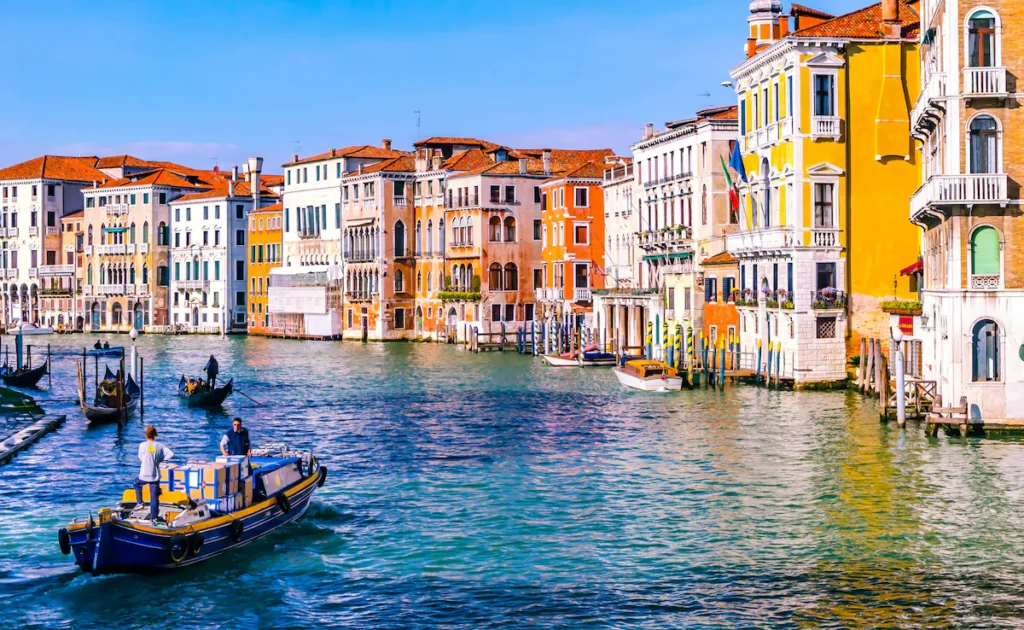
Venice is almost made for water exploration. Gliding through its canals well-known shows grand palaces, quiet neighborhoods, and almost unreal reflections. It’s not just a city you visit, it’s a city you waft through.
Paris – Romance Along the Seine
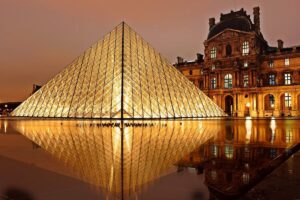
The Seine cuts through Paris like a ribbon. From the water, landmarks like Notre-Dame and the Eiffel Tower experience an extra romantic atmosphere. Evening cruises, with town lights shimmering on the river, are unforgettable.
Amsterdam – Canals and Culture
Amsterdam’s canals shape a perfect ring around the town. Exploring them offers insight into Dutch architecture, records, and ordinary lifestyles. Houseboats, bridges, and bicycles all blend into a unique urban scene.
Bangkok – Life on the Chao Phraya
Bangkok’s river tells stories of the way of life and contemporary existence colliding. Temples, markets, and skyscrapers line the banks, presenting a dynamic, colorful experience that feels alive and unpredictable.
Hidden Waterfront Gems Around the World
Cities like Stockholm, Budapest, and Chicago also shine from the water. Each gives a special persona, proving that water-primarily based exploration isn’t restricted to canal cities by myself.
The Sensory Magic of Water-Based Travel
Sounds, Reflections, and City Lights
On the water, you word information you’d leave out on land. The echo of footsteps on bridges, the mild splash of waves, and the glow of streetlights pondered at the surface. It’s a sensory enjoy that feels nearly cinematic.
Slower Travel, Deeper Memories
Because water travel is slower, reminiscences sink in deeper. You’re not speeding to the next stop. You’re present, observing, and absorbing the town’s person in a more significant manner.
Benefits of Exploring Cities by Water
Stress-Free Sightseeing
No traffic jams. No crowded sidewalks. Water routes provide a smooth, peaceful way to look at the foremost sights without the same old tour stress.
Unique Photography Opportunities
Angles from the water are exclusive and regularly lovely. Reflections, extensive views, and unobstructed photographs make water exploration a dream for photographers.
Sustainable and Responsible Tourism
Many water excursions are environmentally pleasant. They reduce foot traffic in busy areas and encourage towns to hold their waterways, benefiting both tourism and nearby groups.
Planning Your Water Exploration Experience
Choosing the Right City and Season
Some cities are exceptionally explored through water in spring or summer, even as others provide magical wintry weather views. Research weather, water temperatures, and nearby occasions to plot the best experience.
Guided Tours vs. Self-Guided Options
Guided tours offer records and insights, at the same time as self-guided options provide freedom. Your choice relies upon whether or not you prefer structure or spontaneity.
Budget Tips for Water Adventures
Not all water studies are pricey. Public ferries, shared excursions, and off-height bookings could make water exploration inexpensive and convenient.
Safety and Practical Tips
What to Wear and Pack
Comfortable apparel, sun protection, and a light jacket are usually sufficient. Don’t overlook a digital and a water-resistant bag for necessities.
Staying Safe at the Water
Follow protection instructions, put on life jackets when required, and stay aware of weather conditions. A little training is going a long way.
How Water Journeys Change the Way You See a City
Stories you don’t hear on the ground
From the water, guides often share stories about the trade, floods, and everyday life that shaped the city. These narratives add depth to what you see.
Connect with local life.
Watching locals travel by boat, relax by the river, or live on a houseboat gives you a glimpse of authentic urban life beyond the tourist destinations.
The future of urban water tourism
Smart boats and green technologies
Electric boats, solar-powered ferries, and smart navigation systems are shaping the future of water tourism, making it cleaner and more efficient.
Revitalizing Forgotten Waterways
Cities are renovating old canals and rivers, transforming neglected areas into vibrant public spaces. This trend is changing the way people interact with urban water.
Conclusion
Exploring cities by water is more than a travel option; it’s a mindset. It invites you to slow down, look closer, and connect deeply. Whether you’re floating past ancient buildings or modern skylines, water reveals stories that streets often hide. If you want memories that feel calming, vivid, and lasting, let water lead the way.
Frequently Asked Questions (FAQS)
Q1: Is exploring towns from the water suitable for every age?
Ans: Yes, maximum water tours are safe and comfortable for all age organizations, which include households and seniors.
Q2: Are water-based town excursions totally costly?
Ans: They range from budget-friendly public ferries to luxurious cruises, so there’s something for every budget.
Q3: Do I want to revel in kayaking in towns?
Ans: No, many towns offer beginner-friendly routes and guided kayaking excursions.
Q4: What is the fine time of day for water exploration?
Ans: Early morning and late night are best for cooler temperatures and exquisite lighting.
Q5: Can water tourism be environmentally friendly?
Ans: Absolutely. Many operators use electric-powered or non-motorized boats to lessen environmental impact.